How my students learned to read a source
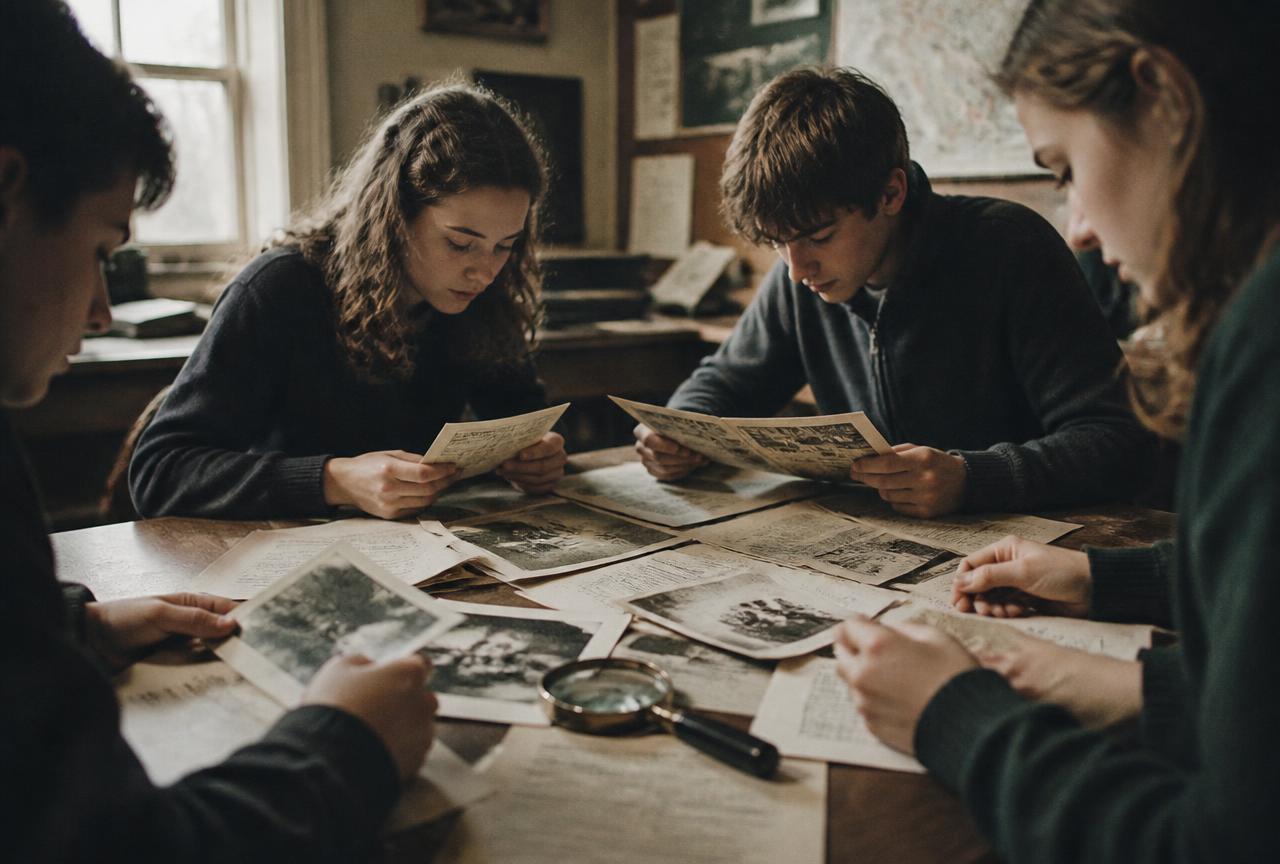
For years I taught source criticism as a list of questions on a handout. Students memorised the list, wrote the phrase "this source may be biased" in every essay, and learned nothing that would help them read a newspaper on the way home.
The lesson that finally worked used two reports of the same afternoon in Prague in August 1968: one from a domestic paper, one from abroad. Same street, same hours, irreconcilable accounts. The students were not asked which was true. They were asked what each writer needed the reader to believe.
Ask who wrote it, for whom, and what they needed the reader to believe.
That question does more work than the handout ever did. It moves attention from the label "biased" to the mechanics - what is omitted, which nouns carry judgement, whose voices are quoted, which numbers are given without a source. Bias stops being an accusation and becomes something you can point at in a sentence.
We then repeat the exercise with material from this month: two accounts of a local council decision, a viral video and the footage it was cut from, a statistic quoted by two parties. The historical case makes the contemporary one discussable without the class dividing along family political lines in the first minute.
The result I care about is not exam wording. It is that a fifteen-year-old will now stop halfway through a confident post and ask, out loud, who published this and what they wanted from me.
Rate this story
Please sign in to rate this story.