Phenomenon-based learning is not chaos
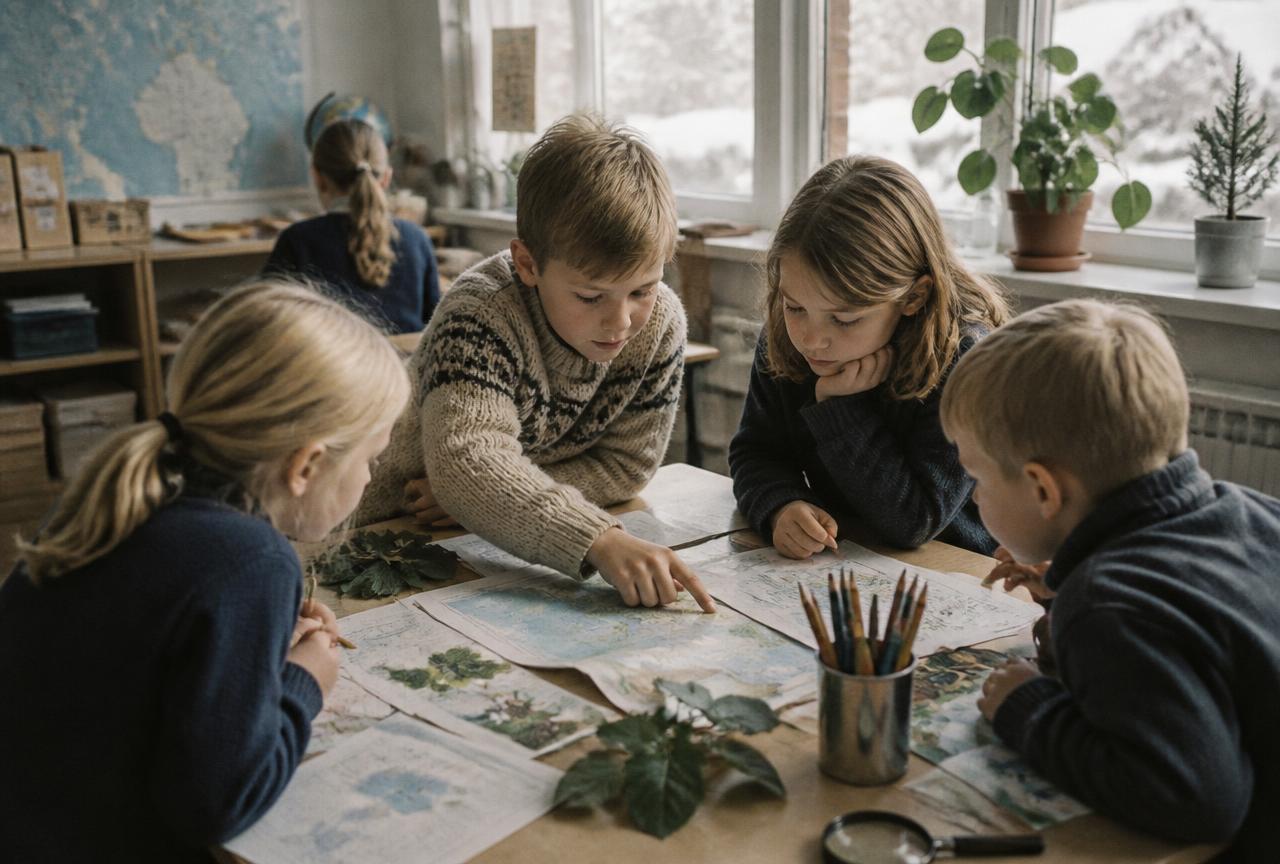
Visitors to my classroom in November usually expect noise and improvisation. What they find is nine-year-olds arguing about water samples with a wall chart of deadlines behind them. Phenomenon-based learning has a reputation for being loose. In practice it is the most tightly planned teaching I do.
The question that autumn was simple: why is the lake behind our school greener in August than in May? It touches biology, chemistry, mathematics, local history and a fair amount of writing, and no single subject can finish it. That is the point of choosing it.
Open questions demand tighter planning, not looser planning.
Planning starts from the curriculum, not from the theme. I list what the children must be able to do by December - measurement, reporting, reading a graph, arguing from evidence - and then check that the lake question genuinely requires each one. Anything the question cannot carry is taught separately and honestly, in its own lesson.
The children work in stable groups with visible roles and a shared calendar. Every Friday each group presents one finding and one problem, and I use those problems to decide the next week's direct instruction. There is plenty of teaching from the front; it simply happens when there is a use for it.
By December they had measured, been wrong twice, corrected each other, and produced a short report for the municipality. The knowledge stuck partly because it was theirs, but mostly because the structure around it never let it drift.
Rate this story
Please sign in to rate this story.