The reader who was called lazy for six years
He arrived in my room at twelve with a file full of words like unmotivated and careless. He could summarise a documentary in impressive detail. He could not read four lines of a textbook without losing the thread, and he had concluded, reasonably, that he was stupid.
Reading is two jobs stacked on top of each other. Turning marks into sounds and words, and turning words into meaning. His second job was excellent. His first was consuming almost all of his attention, so nothing was left for the part school actually wanted to assess.
Decoding and understanding are two different jobs, and school grades them as one.
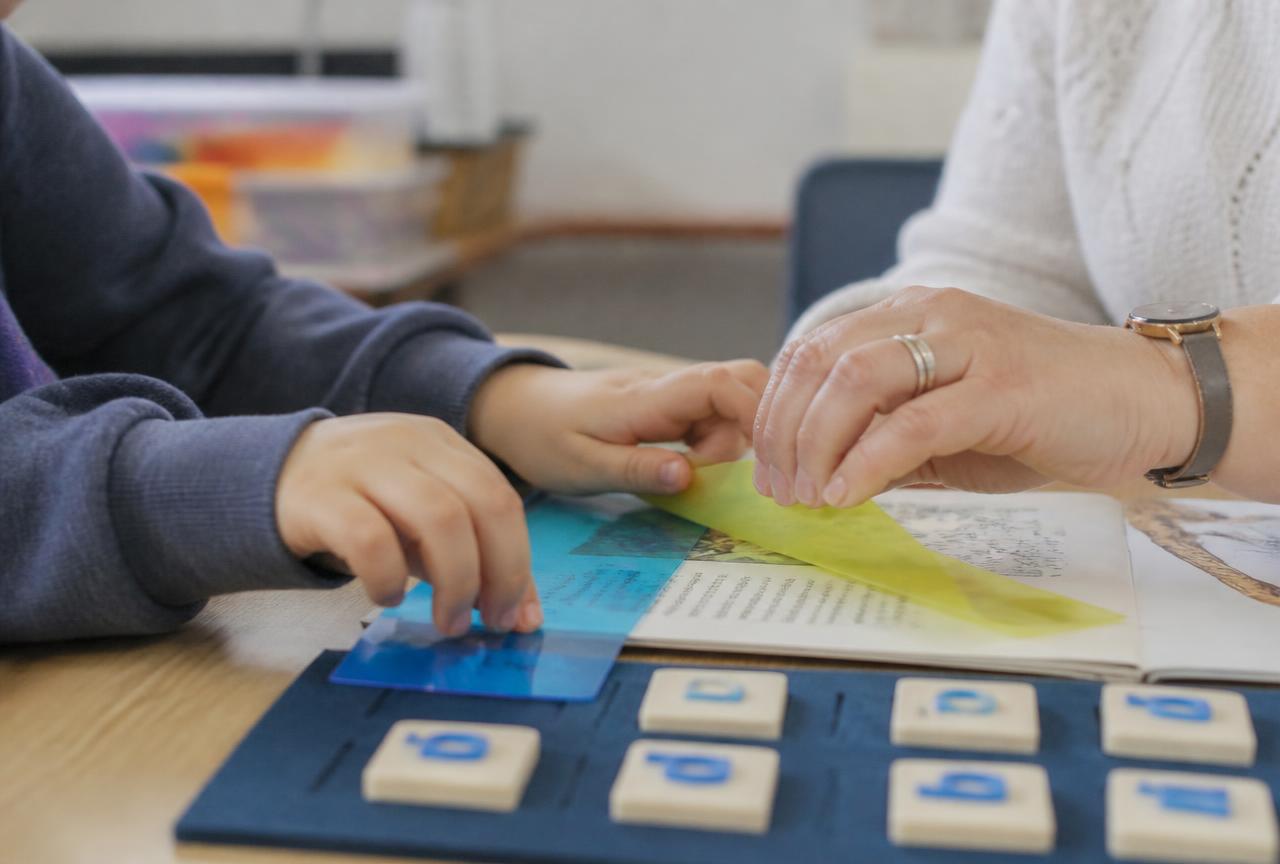
The intervention was unglamorous and mostly structural. Text in a larger size with wider spacing. A ruler or a coloured overlay to hold the line. Twenty minutes of explicit, systematic phonics work three times a week, because decoding does improve when it is taught directly. And audio versions of anything whose purpose was content rather than decoding.
The audio was the part I had to defend to colleagues. It is not cheating to remove the obstacle from a task that was never about the obstacle. When the question is whether he understands the causes of a war, the reading is transport, not content.
Two years on he reads well enough for daily life and prefers audio for long texts, which is a sensible adult choice rather than a failure. The bigger change is that he no longer describes himself as lazy, and he asks for what he needs without apologising for it.
Rate this story
Please sign in to rate this story.