What exam panic actually is
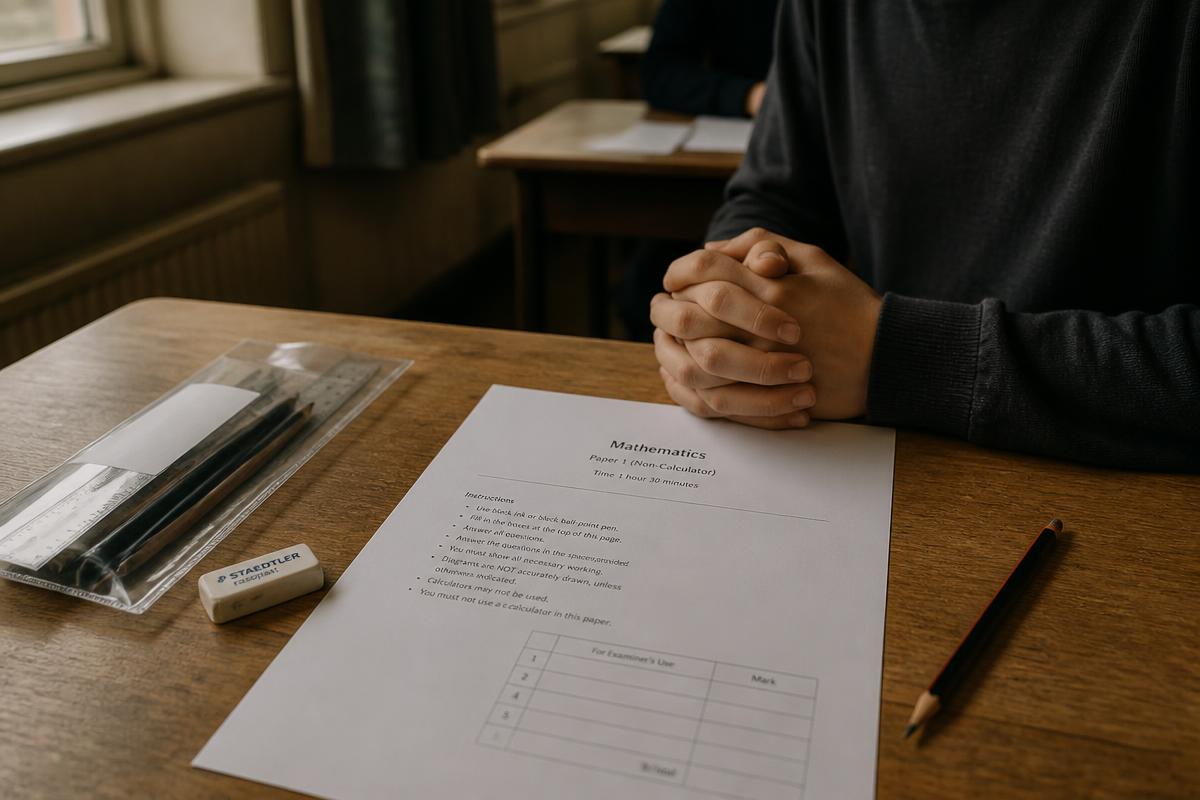
Parents describe it as nerves. "She knows the material, she just panics." I used to believe that too, and I spent lessons on breathing, on positive framing, on telling capable teenagers that they were capable. It rarely moved a grade.
Then I started asking students to narrate the first thirty seconds of a hard question out loud. Almost all of them said a version of the same thing: they were searching their memory for a question that looked like this one. When the search failed, the panic arrived. It was not fear of mathematics. It was the absence of a procedure for not knowing.
Panic is what happens when a student has no next step, only a next answer.
So we build one. Underline what is given. Name what is asked. Write the one relationship that connects the two. If nothing connects, change representation - draw it, tabulate it, try a small number. None of this is clever. All of it gives a student something to do in the moment when memory returns nothing.
We also practise deliberately unfamiliar problems, ones I know they have not seen, and we score the process rather than the answer. Four correct moves and a wrong result is a good week. Students find this strange for about a month and then start to prefer it.
The visible change is not calm. It is that the pause before an unfamiliar question shortens from a minute of staring to fifteen seconds of writing. Confidence, in my experience, is what arrives afterwards - as a consequence, not a prerequisite.
Rate this story
Please sign in to rate this story.